Hyundai— 01
Palisade
2022–2024
Flagship 7–8-seat SUV. 3.8 GDi petrol, 2.2 CRDi diesel. Nappa leather, ventilated seats, ADAS assists.
$28 000
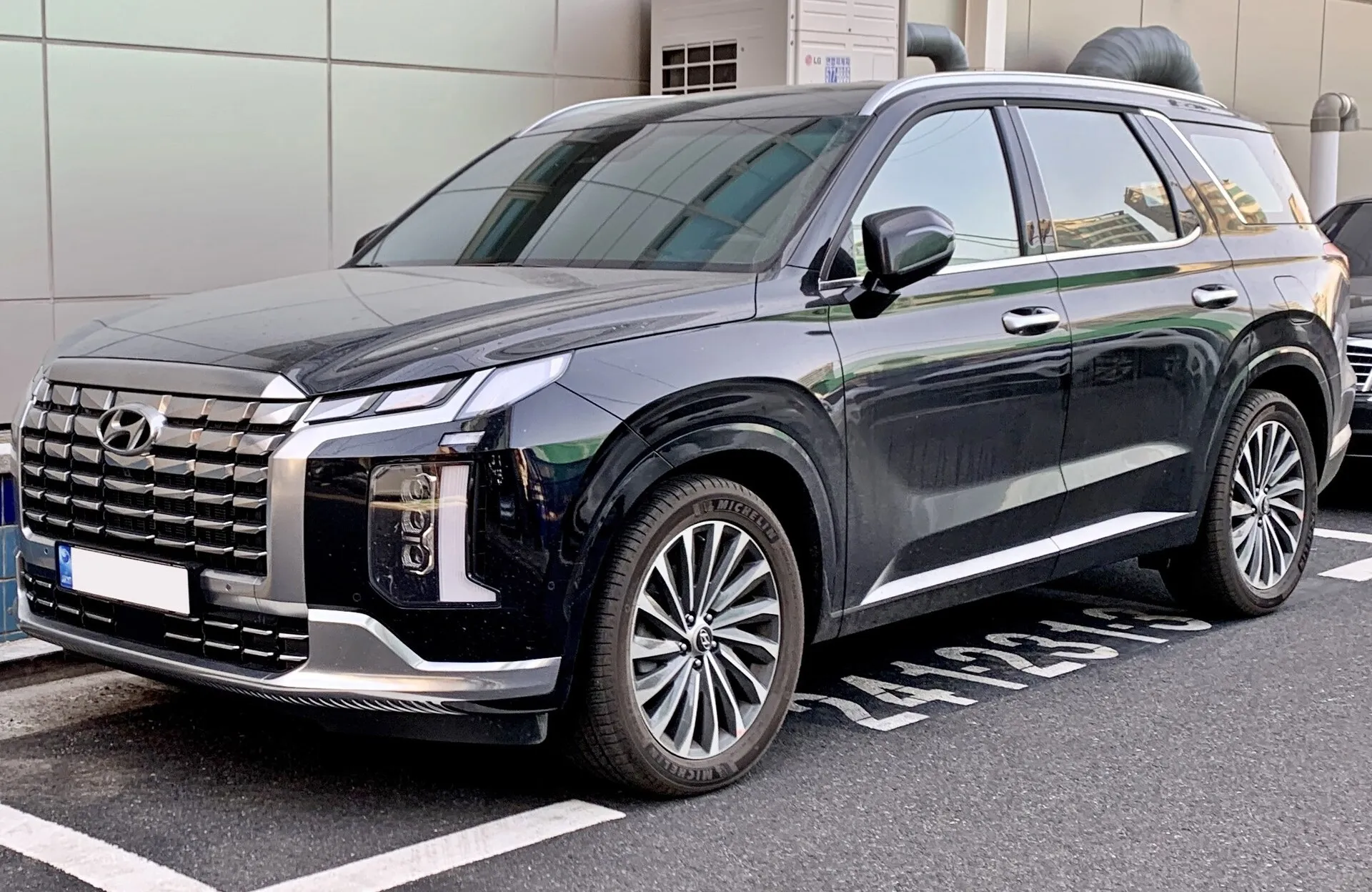
Hyundai is the flagship of the Korean auto industry and the highest-volume brand on Korea's domestic market. That means the widest choice by year, trim and mileage: from the family Palisade and Santa Fe to the executive Grandeur and the sporty N family. Korean Hyundais typically come with careful official-dealer servicing, a transparent history and engineering originally tuned for the local climate and fuel quality.
Flagship 7–8-seat SUV. 3.8 GDi petrol, 2.2 CRDi diesel. Nappa leather, ventilated seats, ADAS assists.
Business sedan and hybrid (HEV) for Korea. Premium materials, a quiet cabin, 5–6 l/100 km on the hybrid.
Family SUV. 2.5T petrol, hybrid and plug-in hybrid. HTRAC all-wheel drive, a power-adjustable second row.
D-segment sedan with modern design and LED lighting. 2.0/2.5 petrol, 1.6T turbo, a hybrid version.
A line-by-line estimate: auction price, sea logistics, customs duty, excise, VAT, customs fee and recycling fee. From January 1, 2026 the recycling-fee discount is preserved only for individuals importing cars up to 160 hp — engine power and importer status are critical to the final number.
Up to 160 hp — recycling-fee discount preserved through 2026
Korea's domestic market is Hyundai's largest in the world, so dealer and auction lots are always full of recent cars in every trim.
Korean Hyundais are serviced mainly at official dealers, histories are transparent, and odometer rollback is less common than in the US.
Safety and equipment packages for the home market are usually richer than American or European ones: a HUD, Bose audio, a heated and ventilated second row.
The won exchange rate and Korea's tax policy make the running price 15–25% lower than comparable cars in Russia or Kazakhstan.
The Busan — Vladivostok sea crossing takes 1–3 days, followed by the overland leg to your city.
We'll reply within one working day. No spam, no third parties.